Let’s create your account. It only takes a few seconds, then you can tap into all the benefits of our online account management tools, 24/7.
Pay your balance or view your payment history.
Get information about your plans or services and view invoices.
Manage your payments (including EasyPay), contact information and more.
View your summaries and other important documentation.
Call: 1-877-760-0075
Before we chat, we need some info to get the ball rolling.
* Required Information
One of our experts will get back to you as soon as possible.
Questions? Quote, Call or Chat Now.
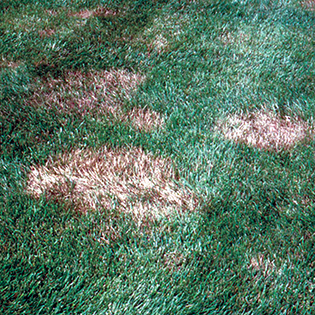
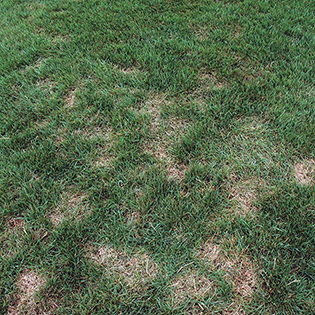
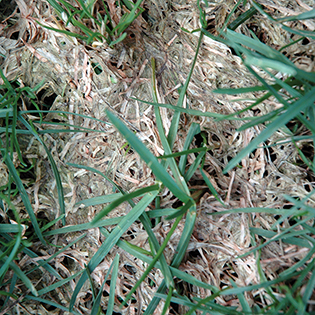
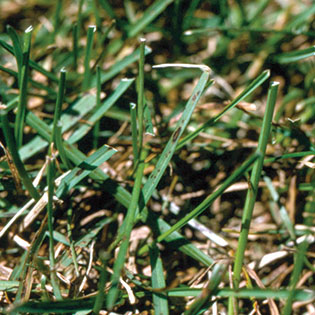
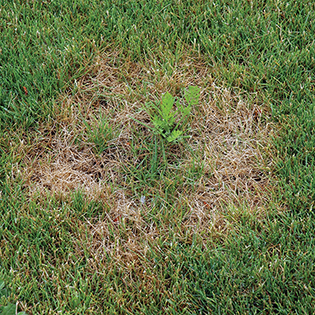
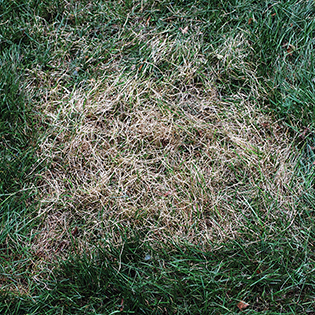
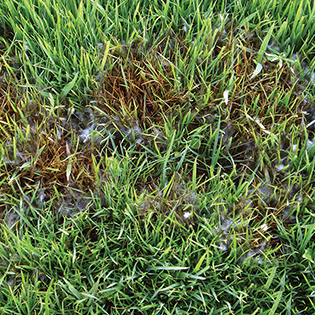
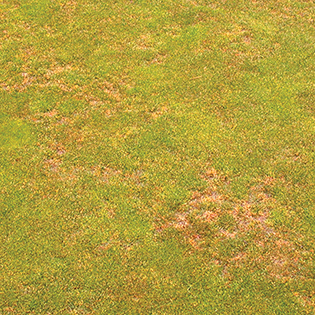
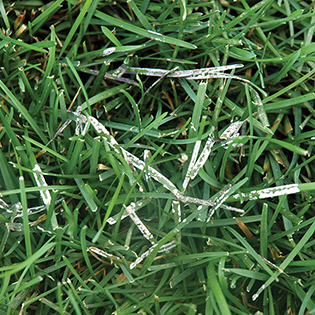
1-844-567-9909Lawn diseases occur when microorganisms attack a susceptible species of grass in the right environment. But before you can fight back, you have to determine what exactly is wreaking havoc on your lawn.
<p>Lawn disease only occurs if all three causes line up: grass susceptibility, a present pathogen and the right weather.</p>
<p>Control your lawn’s environment through proper mowing and watering techniques to keep lawn disease at bay.</p>
Lawn diseases occur when microorganisms attack a susceptible species of grass in the right environment. But before you can fight back, you have to determine what exactly is wreaking havoc on your lawn.
You can rule out lawn fungus as a cause for damage to your grass by looking for these common scenarios where a lawn disease is not present but its symptoms are:
Lawn disease only occurs if all three causes line up: grass susceptibility, a present pathogen and the right weather.
The type of turf grass in your yard can either be susceptible, tolerant or resistant to a lawn disease:
Pathogens use your lawn as fuel for survival and reproduction. They can be one of several microorganisms:
Lawn diseases each thrive in certain environmental conditions, including any one or more of the following:
You can’t control the weather or the type of grass you have—but you can control your lawn’s environment through proper mowing and watering techniques to keep lawn disease at bay.
While lawn fungus is a relatively minor problem, dead grass on your lawn is not. Every action you take has an impact on your lawn’s health, from fertilization to choosing a disease-tolerant or disease-resistant species of turf grass. For cool-season grasses, plant mixtures of different species. For warm-season grasses, mixing species isn’t possible, so picking the right turf grass for your region is critical.
Another good example of cultural control can be found in lawn diseases requiring excess water to develop. Reduce free water by decreasing the amount and frequency of watering, improving drainage and air movement and reducing thatch and shade so excess water and dew are both absorbed by the soil and evaporated to the air quicker.
Even when done properly, mowing stresses a lawn. When done improperly, it’s the most potentially damaging aspect of lawn maintenance. A lawn’s tolerance for disease is lowered—or even eliminated—by low-cutting or scalping your lawn. To help prevent lawn diseases like Brown Spot and Red Thread:
The two main types of lawn diseases are foliar and root. Foliar diseases attack grass leaves, and root diseases attack root systems—some diseases attack both. To reduce root diseases:
Foliar diseases need extreme humidity and/or free water on the leaf to begin infections. Dew—and how long it stays on the leaf—is a critical factor. Dew forms based on temperature, air movement and humidity, so decrease shade to speed up your lawn’s morning drying time.
Yards with large trees on the eastern side of the property cause the western lawn to dry out more slowly, making them more susceptible to foliar lawn diseases. To reduce foliar diseases, water early in the morning, avoid overwatering and reduce shade by pruning tree limbs.
Pink Snow Mold - Microdochium nivale
Pink Snow Mold stealthily develops underneath the cover of snow in colder climates. Also known as Fusarium Patch, this lawn disease attacks most types of cool-season grass in the northern part of the United States.
Learn More
Brown Patch - Rhizoctonia solani
Brown Patch is a hot-weather lawn disease that is sometimes referred to as Large Patch or Rhizoctonia Blight. Brown Patch affects most types of grass across the country, with signs of damage appearing during late summer in the northern states and fall through mid-winter in the southern states.
Learn More
Dollar Spot - Sclerotinia homoeocarpa
Dollar Spot is a common lawn disease that marks your lawn with its namesake: silver dollar-sized patches. Dollar Spot typically affects all warm- and cool-season grasses across the country. Infections are most common during the summer months across northern states and during the spring and fall in southern states.
Learn More
Anthracnose - Colletotrichum cereale
Anthracnose is a lawn disease caused by the lawn fungus Colletotrichum cereal. Anthracnose strikes Annual Bluegrass and Creeping Bentgrass all over the country, occurring most in midwestern and northeastern states from April through November.
Learn More
Ascochyta - Ascochyta spp.
Ascochyta is a lawn disease that spreads rapidly, leaving large areas of bleached, blighted grass in its wake. Ascochyta attacks several different types of grass across the northern United States with most damage occurring during the summer.
Learn More
Brown Patch - Rhizoctonia solani
Brown Patch is a hot-weather lawn disease that is sometimes referred to as Large Patch or Rhizoctonia Blight. Brown Patch affects most types of grass across the country, with signs of damage appearing during late summer in the northern states and fall through mid-winter in the southern states.
Learn More
Dollar Spot - Sclerotinia homoeocarpa
Dollar Spot is a common lawn disease that marks your lawn with its namesake: silver dollar-sized patches. Dollar Spot typically affects all warm- and cool-season grasses across the country. Infections are most common during the summer months across northern states and during the spring and fall in southern states.
Learn More
Fairy Ring - Basidiomycete fungi
Fairy Ring is actually a family of lawn diseases that are caused by more than 40 species of Basidiomycete lawn fungi. Fairy Ring is very common and affects all types of grass found in the United States, with damage occurring from early spring through early winter.
Learn More
Gray Leaf Spot - Pyricularia grisea
Gray Leaf Spot is a lawn disease that can quickly turn destructive. It occurs in most areas of the eastern United States where Perennial Ryegrass is grown, often developing in areas prone to drought. Gray Leaf Spot affects northern climates from late summer through the fall and southern climates primarily in the summer.
Learn MoreThe first step in achieving a lush lawn: determining what type of turf grass grows in your yard.
Every lawn is unique, so picking out the right species of turf grass for your yard, climate, and needs is essential to making sure yours thrives.
Determine the care that your lawn needs—whether that’s simple watering and mowing or complex nutrient and growth regulation.
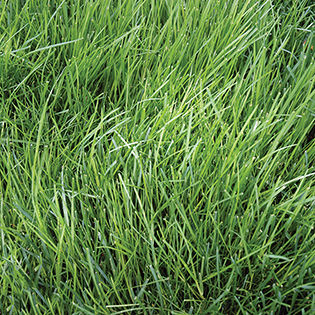
The first step in achieving a lush lawn: determining what type of turf grass grows in your yard. Start by inspecting the primary vegetative features of your turf grass, including some of the following characteristics:
Every lawn is unique, so picking out the right species of turf grass for your yard, climate, and needs is essential to making sure yours thrives. The right choice now could help minimize the amount of turf grass management you need to perform later. Start the process by answering a few questions.
Each type of turf grass has its own set of growth characteristics, so usage is important.
Caring for turf grass is a full-time commitment—but each yard is different. Determine the care that your lawn needs, whether that’s simple maintenance or more complex care. For some lawns, proper watering and mowing techniques are enough. For others, it means adding turf grass growth regulators and essential macro- and micronutrients. Here’s how to balance your yard for a healthy lawn your family can enjoy.
Considered “essential” because they’re necessary for growth and reproduction, the 17 essential plant nutrients—or elements—are divided into two groups:
Essential plant elements are further divided into macro- and micronutrients—i.e., turf grass nutrients needed in larger amounts versus those needed in smaller amounts.
Mowing is stressful for turf grass but necessary for its management. Minimize plant stress from mowing by:
Bermudagrass - Cynodon dactylon
Bermudagrass is a perennial grass that is also known as Couchgrass, Wiregrass, Devil’s-grass or by its scientific name, Cynodon dactylon. It often is viewed as a lawn weed when it displaces desirable types of grass and becomes difficult to eradicate.
Learn More
Kentucky Bluegrass - Poa pratensis
Despite its name, Kentucky Bluegrass is a cool-season turf grass that is originally native to Europe. The popularity of this type of grass for homeowners rests in the fact that is it perennial and sod-forming, making it ideal for home lawns. Kentucky Bluegrass also has excellent recuperative and reproductive capabilities, plus a greater tolerance to colder temperatures than some other cool-season turf grasses. That's why you'll find Kentucky Bluegrass in lawns throughout most of North America, though less commonly in warmer climates along the Gulf Coast.
Learn More
Tall Fescue - Festuca arundinacea
Tall Fescue is a cool-season turf grass that is well-adapted to either sunny or partially shaded areas. Known for its durability as well as its tolerance to traffic, heat and drought, it can be found in home lawns across North America. Certain varieties of Tall Fescue can contain endophytic fungi, which offer natural disease and insect resistance.
Learn More
Bahiagrass - Paspalum notatum
Bahiagrass is a warm-season turf grass with a medium texture, making it a popular choice for lawns in the Deep South. Because of its adaptability to an array of soil conditions, Bahiagrass is popular for sites with difficult growing conditions, such as parking lots and roadways.
Learn More
Bermudagrass - Cynodon dactylon
Bermudagrass is a perennial grass that is also known as Couchgrass, Wiregrass, Devil’s-grass or by its scientific name, Cynodon dactylon. It often is viewed as a lawn weed when it displaces desirable types of grass and becomes difficult to eradicate.
Learn More
Centipedegrass - Eremochloa ophiuroides
Centipedegrass is a warm-season turf grass that grows slowly and has a medium to coarse texture, making it a favorite in southern coastal regions.
Learn More
Creeping Bentgrass - Agrostis palustris
Creeping Bentgrass is a perennial grass that is also known as Wire-grass Drop-seed or by its scientific name, Agrostis palustris. It is often considered to be a lawn weed when present among other grass species.
Learn More
Fine Fescue - Festuca rubra
Fine fescue is a cool-season turf grass that is renowned for its low maintenance and adaptation to shady, moist and cool areas. It also doesn't require large amounts of nitrogen or moisture, making it a favorite turf grass for lawns, campsites and other public areas throughout most of the country (some southern states being the exception).
Learn More
Kentucky Bluegrass - Poa pratensis
Despite its name, Kentucky Bluegrass is a cool-season turf grass that is originally native to Europe. The popularity of this type of grass for homeowners rests in the fact that is it perennial and sod-forming, making it ideal for home lawns. Kentucky Bluegrass also has excellent recuperative and reproductive capabilities, plus a greater tolerance to colder temperatures than some other cool-season turf grasses. That's why you'll find Kentucky Bluegrass in lawns throughout most of North America, though less commonly in warmer climates along the Gulf Coast.
Learn MoreIn order to rid your lawn of damaging insects, you have to determine which bugs are the offenders.
Understanding the varying life cycles of lawn bugs, like how they grow and develop, is the key to controlling them before they cause damage to your lawn.
Controlling lawn pests requires a multitiered attack: selection, prevention, management and treatment.
In order to rid your lawn of damaging insects, you have to determine which bugs are the offenders. Here’s what our experts look for when identifying the lawn-destroying insects.
You can often spot insect damage by looking for the following:
Once you find and snatch a pest, stick it on a clear piece of tape or in a sealable plastic bag so you can examine and/or show it to a TruGreen® expert. Start by checking its mouthparts to see if they match up with your turf grass damage:
Understanding the varying life cycles of lawn bugs, like how they grow and develop, is the key to controlling them before they cause damage to your lawn. Lawn-destroying insects all start as eggs, but different species vary in how often they go through metamorphosis—when they shed their exoskeletons to form larger ones. External forces such as soil and air temperature further affect metamorphosis. For lawn-damaging insects, there are two significant kinds of metamorphosis:
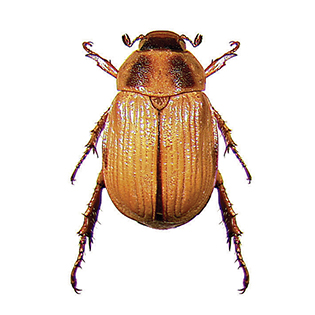
Two prime examples are beetles, which begin life as grubs, and moths, which begin as caterpillars. Other common lawn insects of this type include Sod Webworms, Cutworms and White Grub species such as the Japanese Beetle, Oriental Beetle, Masked Chafer and Sugar Cane. These insects have four distinct life stages: egg, larva, pupa and adult.
Insects that undergo incomplete metamorphosis, such as the chinch bug and mole cricket, continuously increase their populations. They can reach turf grass-damaging levels quickly, so routine scouting, early identification and rapid response control are essential to preserving your lawn’s health. These insects have only three life stages: egg, nymph and adult.
These lawn pests can be controlled as nymphs or adults, but not as eggs.
Lawn pests can damage soil, roots, leaves, and stems, or suck moisture from grass, and controlling them requires a multitiered attack: selection, prevention, management and treatment.
If you’re still having problems, check to make sure you’re actually dealing with an insect:
Then make sure you have identified the pest correctly. Although similar insects are grouped together because their damage and overall appearance are similar, several different species of lawn pests can be present.
For help getting rid of lawn pests, contact a TruGreen® expert today
Hairy Chinch Bug - Blissus leucopterus hirtus
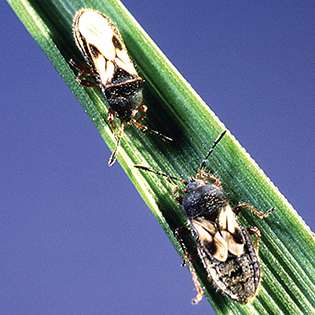
The Hairy Chinch Bug is a unique lawn-damaging insect that changes colors throughout each nymph stage. Also known as Blissus leucopterus hirtus, this lawn pest is typically found in the northeastern part of the United States, attacking Kentucky Bluegrass, Perennial Ryegrass, Creeping Red Fescue and Creeping Bentgrass.
Learn More
Fall Armyworm - Spodoptera frugiperda
The Fall Armyworm is a lawn-damaging insect that can be found attacking Bermudagrass, Creeping Bentgrass, Ryegrasses and all Fescues. This lawn pest, also known as Spodoptera frugiperda, inhabits much of the United States east of the Rocky Mountains.
Learn More
Bluegrass Billbug - Sphenophorus parvulus
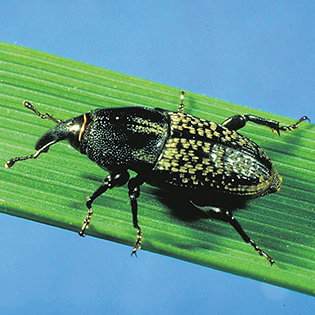
The Bluegrass Billbug is a lawn pest that attacks Kentucky Bluegrass, Perennial Ryegrass, Fine Fescue and Tall Fescue. Its scientific name is Sphenophorus parvulus, and it can be found throughout most of the continental United States.
Learn More
Spotted Lanternfly - Lycorma delicatula
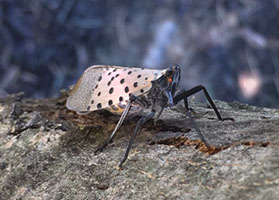
The Spotted Lanternfly (SLF) is a planthopper insect known for causing significant damage to trees, vines, crops, and other types of plants. SLF is also a nuisance pest due to their size and tendency to congregate in large groups, which can be alarming to the general public. Also known as Lycorma delicatula, this invasive species is native to China, India, and Vietnam and was first detected in the United States in Berks County, Pennsylvania in 2014.
Learn More
Brood X Cicadas - Magicicada septendecim Linnaeus
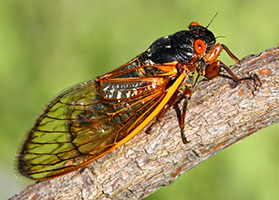
The Brood X Cicada, often referred to as the 17-year locust or periodical cicada, is an insect that emerges in large numbers after completing a 17-year life cycle underground. Cicadas are part of the hemiptera order of insects also known as ‘true bugs’. Most damage done by these insects is by slitting and flagging of twigs in order to deposit eggs. This generally has little effect on the overall health of mature trees. Brood X contains three separate species known as Magicicada septendecim, Magicicada cassinii and Magicicada septendecula. The next emerging population is expected in summer of 2021, affecting primarily eastern and upper Midwestern states.
Learn More
Tawny Mole Cricket - Scapteriscus vicinus
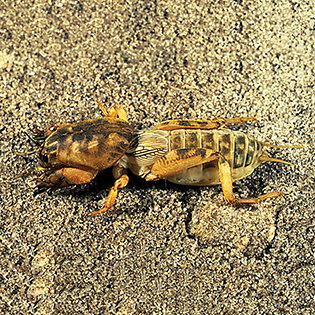
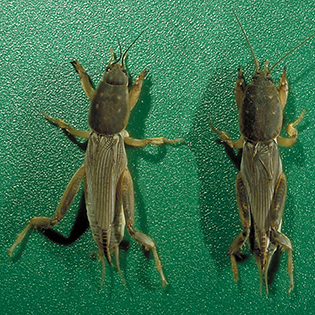
The Tawny Mole Cricket is a lawn-damaging insect that is primarily found in the southern coastal states attacking Bahiagrass and Bermudagrass. Also known as Scapteriscus vicinus, this damage from this lawn pest usually occurs in late summer and early fall.
Learn MoreCranberry Girdler - Chrysoteuchia topiarius
Bluegrass Sod Webworm - Parapediasia teterrella
The Bluegrass Sod Webworm is a lawn-damaging insect known for attacking Kentucky Bluegrass, Perennial Ryegrass, Fine Fescue and Creeping Bentgrass. Also known as Parapediasia teterrella, this lawn pest infests yards as both a caterpillar and moth, affecting much of the Northeast and Midwest.
Learn More
Clover Mite - Bryobia praetiosa
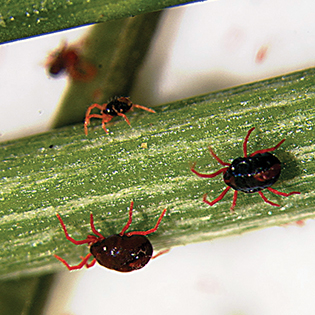
The Clover Mite is a tiny lawn-damaging pest that's actually a relative of two arachnids: the Spider and the Tick. Also known as Bryobia praetiosa, this lawn pest often invades homes and other indoor environments during the spring and fall months. The Clover Mite is found throughout much of North America and commonly affects Kentucky Bluegrass and Perennial Ryegrass.
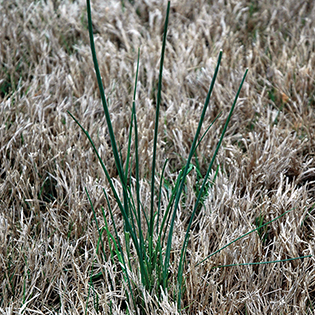
Learn MoreTo the untrained eye, distinguishing turf grass from grassy weeds is tough because the two can look identical, but we’ll help you weed out the weeds.
Understanding the varying life cycles of grassy weeds is key to getting rid of them.
Without a professional service, it's tough to eradicate grassy weeds without harming your lawn due to their biological similarities, so prevention and targeted treatments are key.
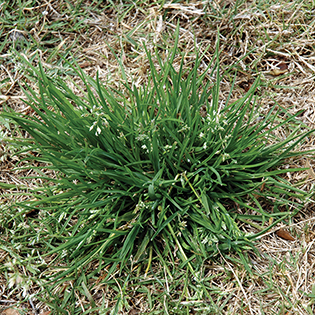
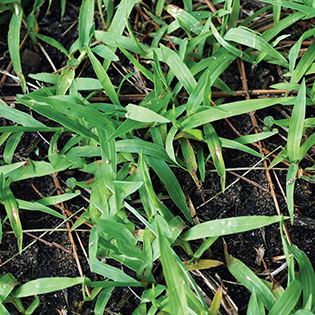
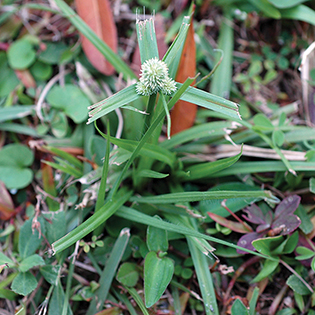
To the untrained eye, distinguishing turf grass from grassy weeds is tough because the two can look identical, but we’ll help you weed out the weeds. With practice and persistence, you can learn to identify lawn weeds—and even the difference between grass and sedge—by inspecting the primary vegetative characteristics of your lawn.
Here are some of the features our TruGreen® experts use to weed out the bad grasses:
Understanding the varying life cycles of grassy weeds is key to getting rid of them. Learn what the different life cycles of lawn weeds mean for your control plan.
Without a professional service, it's tough to eradicate grassy weeds without harming your lawn due to their biological similarities, so prevention and targeted treatments are key. For example, spraying crabgrass killer at the wrong time can kill your grass seeds. Instead, aim to control grassy weeds by keeping your lawn dense and healthy so they don’t stand a chance. If these turf grass imposters have already invaded your lawn, you can try a few other tactics to weed them out.
The most effective weed control is a flourishing lawn because it’s more competitive and will crowd out grassy weeds. Weed seeds need light to grow, which a dense lawn blocks out. To keep your lawn lush, healthy and competitive, try:
Hand-pulling grassy weeds can work if there are only a few, especially if they’re annuals. Perennial grassy weeds are harder to control by hand because you don’t always pull up the vegetative structure, which is what sprouts new weeds.
The plan of attack depends on your region, type of turf grass and the specific weeds invading your lawn
Annual Bluegrass Scientific Name: Poa annua -
Annual Bluegrass is an annual grassy weed that is also known as Annual Meadowgrass, Annual Spear-grass, Wintergrass, "Poa" or its scientific name, Poa annua.
Learn More
Smooth Crabgrass - Digitaria ischaemum
Smooth Crabgrass is a summer annual grass that is also known as Small Crabgrass or by its scientific name, Digitaria ischaemum. Due to its horizontal growth habit, look and inability to be controlled, it\'s often considered a problematic lawn weed in yards where it wasn\'t planted.
Learn More
Yellow Nutsedge - Cyperus esculentus
Yellow Nutsedge is a perennial herb that is considered a grass-like weed. This lawn weed is also known as Yellow Nut-grass, Chufa Flatsedge, Chufa, Earth Almond, Rush Nut or by its scientific name, Cyperus esculentus.
Learn More
Annual Kyllinga - Cyperus sesquiflorus
Annual Kyllinga is a perennial grassy weed that is also known as Fragrant Kyllinga, Fragrant Spikesedge or by its scientific name, Cyperus sesquiflorus.
Learn More
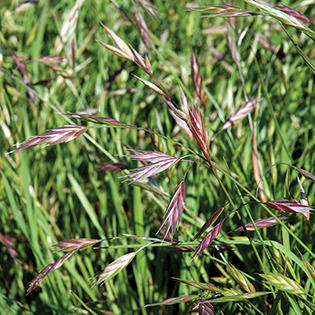
Rescuegrass - Bromus catharticus
Rescuegrass is a particularly short-lived perennial grassy weed as far as perennials go. This lawn weed is also known as Rescue Brome or its scientific name, Bromus catharticus. It gets its name from its ability to "rescue" animals from winter food shortages.
Learn More
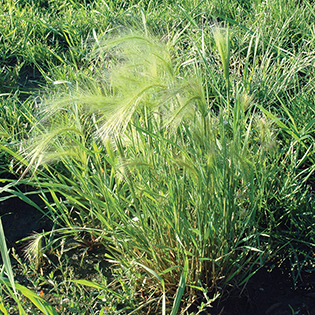
Wild Barley - Hordeum leporinum
Wild Barley is an annual grassy weed that is also known as Hare Barley or by its scientific name, Hordeum leporinum. This lawn weed frequently invades newly seeded yards.
Learn More
What is Doveweed (Murdannia Nudiflora) - Murdannia nudiflora
Doveweed is a summer annual grassy weed that is also known as Naked Stem Dewflower, or by its scientific name, Murdannia nudiflora. This lawn weed is a common invader of home yards.
Learn More
Rough Bluegrass - Poa trivialis
Rough Bluegrass is a perennial grassy weed that is also known as Roughstalk Bluegrass or by its scientific name, Poa trivialis. This lawn weed is known for remaining green throughout the winter.
Learn More
Wild Garlic - Allium vineale
Wild Garlic is an aggressive perennial grassy weed that is also known as Field Garlic or by its scientific name, Allium vineale. Aromatically enough, the smell of this lawn weed can be confused with Wild Onion.
Learn MoreDone correctly, mowing stimulates growth. Done incorrectly, it can result in thin grass and increased weed growth.
Every lawn maintenance plan requires irrigation, and proper watering is essential to keeping your grass happy and healthy.
The key to a healthy, green lawn is just below the surface—soil. Grass stores and receives almost all of its moisture and nutrients from the soil, so healthy soil is a must.
The ideal lawn soil can vary based on the type of turf grass you have but should always contain a balanced mixture of water, air, minerals and organic matter. Robust lawn soil is made up of: 45% to 50% minerals, 25% water, 25% air and 2% to 5% organic matter.
The most fertile soil is top soil. This soil starts at the surface and reaches down about 10 inches underground. These 8 to 10 inches of top soil contain the highest amount of humus, or organic matter. Humus is where turf grass gets most of the nutrients needed for development and growth.
Good soil is responsible for many of the aspects that lead to a healthy lawn and less lawn maintenance, such as:
A plant’s life cycle—along with worm, insect, microorganism and animal activity—constantly generates better soil. As turf grass shoots, roots and leaves grow, die and decay, they form new, quality soil over time, and all you have to do is keep your lawn well-maintained and healthy in the meantime.
This is why older lawns often have good top soil with a defined profile. Unfortunately, in most urban locations, many properties are stripped of their top soil for use by construction companies elsewhere. This leaves turf grass to take root in the less nutritious subsoil. Most urban soils are also compacted during construction, so they drain poorly—especially if they’re high in clay. Time, proper lawn maintenance and regular nutrition will help rebuild healthy soil.
Done correctly, mowing stimulates growth. Done incorrectly, it can result in thin grass and increased weed growth.
A lawn grows at different rates at different times of the year, depending on weather, species and management. Mow as necessary, not according to a preset schedule. Always follow the “one-third” rule to maintain active root growth: no more than one-third of the leaf blade should be removed during a single mowing. Otherwise you may stunt root growth.
So, if your desired lawn height is 3 inches, mow when grass grows to 4 to 4 1/2 inches tall
Every lawn maintenance plan requires irrigation, and proper watering is essential to keeping your grass happy and healthy. Whether supplementing rainfall with a garden hose or an automatic sprinkler system, grass is 75% to 85% water, and you should do your best to keep it in that range.
It seems basic: watering your lawn keeps grass alive. But what goes on below the surface is amazing. Proper watering does the following:
Most turf grasses require approximately 1 inch of water each week, whether it’s natural (rainfall) or manual (irrigation). Watch weather patterns in your area to see how much rain is falling and make up any natural water deficiency with manual watering.
When it comes to lawns surviving long periods of drought, preparation is key. The amount of time your lawn will survive without water depends on the type of grass you have. Most types of grass can survive with minimal amounts of water for many weeks—even in hot, dry weather. If the lawn goes too long without water, it will shut down, stop growing and go dormant.
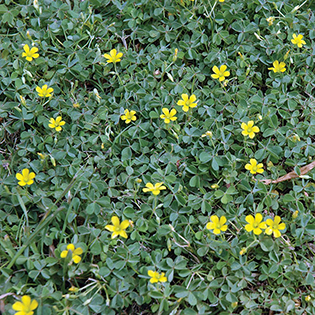
Broadleaf weed identification is relatively simple because they stick out like a sore thumb.
The path to controlling broadleaf weeds in your lawn begins with understanding their life cycles.
Broadleaf weed identification is relatively simple because they stick out like a sore thumb. The leaves look nothing like grass, and although some of their flowers look pretty, these weeds can quickly turn a great yard into a graveyard. Here’s what you need to know for quick broadleaf weed identification:
Examine the broadleaf weeds in your lawn and compare the leaves’ shapes to the broadleaf weed pictures in the images below. To determine what species you’re dealing with, evaluate the edges of the leaf blade (margins) to see if they’re serrated (toothed), rounded (lobed), or another shape.
Each broadleaf plant’s structure has distinguishing characteristics, ranging from the weed’s growth patterns and habits to the way its leaves are arranged.
Each plant is unique, so if you’re still having trouble pinpointing your problem, go through the individual detail pages on each type of broadleaf weed.
The path to controlling broadleaf weeds in your lawn begins with understanding their life cycles. Depending on whether you’re dealing with annuals, biennials or perennials, you may need to take a different approach to take back your yard.
Here’s how they differ:
The best way to prevent a broadleaf weed invasion is to keep your lawn so dense and healthy they never grow at all, but if these weeds are already cropping up, here’s how to control them.
The most effective weed control is a flourishing lawn because it’s more competitive and will crowd out broadleaf weeds. To keep your lawn lush, healthy and competitive, try:
Hand-pulling broadleaf weeds can work if there are only a few, especially if they’re annuals. Perennial weeds are harder to control by hand because you don’t always pull up the vegetative structure that sprouts new weeds.
Selective herbicides work on specific plants while causing little to no harm to other plant types—e.g., controlling only broadleaf weeds while not harming your lawn. Non-selective herbicides damage a large range of plants, including lawn grasses, so they’re typically used to clear landscape beds or all vegetation. TruGreen® uses a selective systemic broadleaf weed killer as part of our weed control program for your lawn, which ensures the product moves throughout the weed, killing it completely, root and all. Depending on variables such as weed type and time of year, some weeds may require multiple applications.
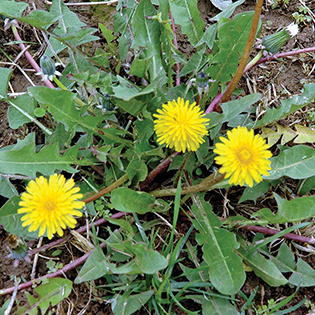
Dandelion - Taraxacum officinale
Dandelion is an extremely common taprooted perennial broadleaf weed. It is also known as Lentodon taraxacum, Lions-tooth, Blow-ball, Cankerwort and Taraxacum officinale.
Learn More
Oxalis - Oxalis stricta
Oxalis is a perennial broadleaf weed that is also known as Common Yellow Oxalis, Yellow Woodsorrel, Sourgrass, Sheepsorrel and Toadsorrel. Its scientific name is Oxalis stricta.
Learn More
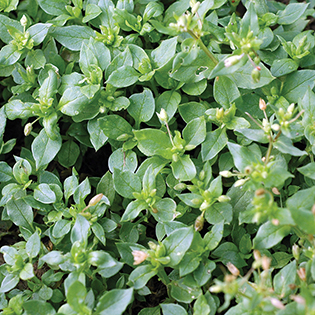
Common Chickweed - Stellaria media
Common Chickweed is a winter annual broadleaf weed that is also commonly called Alsine media, Starwort, Starweed, Bindweed, Winterweed, Satin Flower and Tongue-grass. Its scientific name is Stellaria media.
Learn More
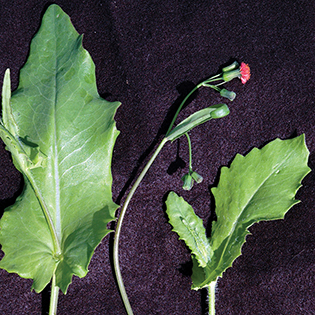
Cupid’s Shaving Brush - Emilia fosbergii
Cupid’s Shaving Brush is a warm-season annual broadleaf weed that is also known as Tassel Flower, Florida Tassel Flower and Emilia fosbergii.
Learn More
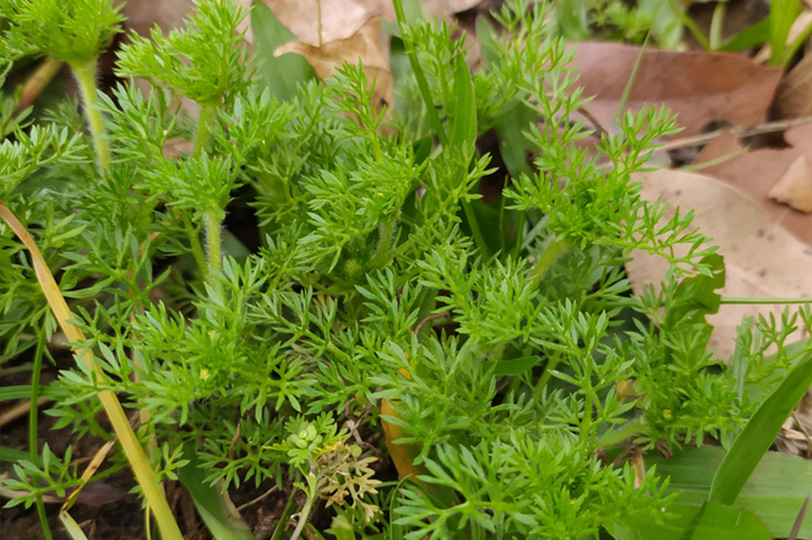
Lawn Burweed - Soliva sessilis
Lawn burweed is a low-growing winter annual broadleaf weed that is also known by its scientific name, Soliva sessilis.
Learn More
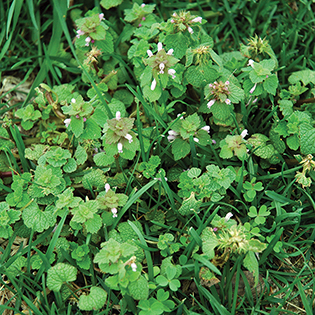
Purple Deadnettle - Lamium purpureum
Purple Deadnettle is a winter annual broadleaf weed that is also known as Red Deadnettle, Red Henbit and its scientific name, Lamium purpureum.
Learn More
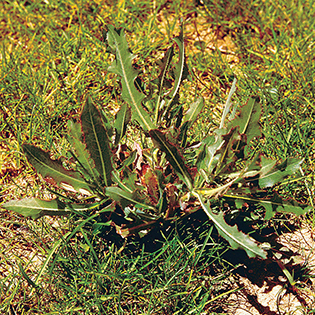
Prickly Lettuce - Lactuca serriola
Prickly Lettuce is a winter annual broadleaf weed that is also known by its scientific name, Lactuca serriola.
Learn More
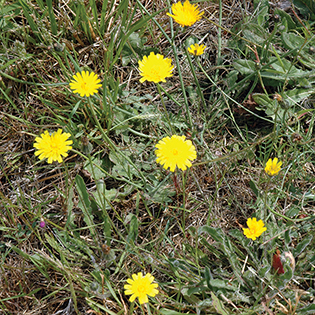
False Dandelion - Hypochoeris radicata
False Dandelion is a perennial broadleaf weed that is commonly referred to as Common Cat's-ear, Cat's-ear Dandelion and Hairy Cat's-ear. Its scientific name is Hypochoeris radicata.
Learn More
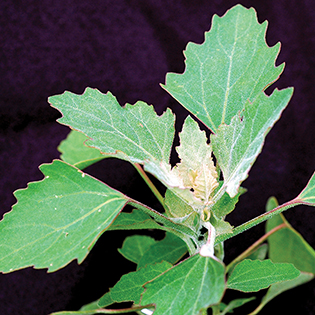
Lambsquarters - Chenopodium album
Lambsquarters is a warm-season annual broadleaf weed that is also commonly called Pigweed, White Goosefoot, Fat-hen, Mealweed, Frost-blite and Bacon-weed. Its scientific name is Chenopodium album.
Learn More